Pune International Film Festival Day#2: Les Misérables

The influence of La Haine is apparent when you take a look at almost every French film dealing with migrants. A somewhat awkward position for me as going against the critical hive mind, I don’t think quite as highly of it as most people. Misérables unfortunately offers nothing new, in the way something like Divines did a few years back.

The story begins on the day of the 2018 Football World Cup Final between France and Croatia. One of the main characters (Issa Percia) cheers France on. There’s a certain irony to this scene as the team was mostly compromised of players of North African origins and this fact was widely reported in the media. It’s a strong start and you hope the film explores the themes laid out in the first scene. Unfortunately, the film then shifts to the point of view of a trio of cops (Damien Bonnard, Alexis Manenti and Djibril Zinga) and the film turns into the usual ‘it’s not the cops’ fault and it’s not the criminal’s fault, it’s a chicken and egg’ situation type of moralising. There are certain amusing subplots like the one involving a lion cub, but as the film approaches it’s end it decides to become some sort of a vigilante film. Indeed, I was reminded of Todd Phillips’ Joker during certain scenes near the end.

This is a film however that has nothing new to say, and at worst might actually make you question the integrity of it’s cop hero. He does after all agree to tamper with a piece of evidence to protect his fellow cops, a piece of evidence that might bring into true light the working of the police. As a positive, I have to say the final confrontation is directed effectively and Percia is excellent in his role. What this is not is any modern retelling of Les Misérables. It just doesn’t have the same spirit of rebellion even it may make a obvious call back to it.
Pune International Film Festival Day #1: Viridiana, Bacurau

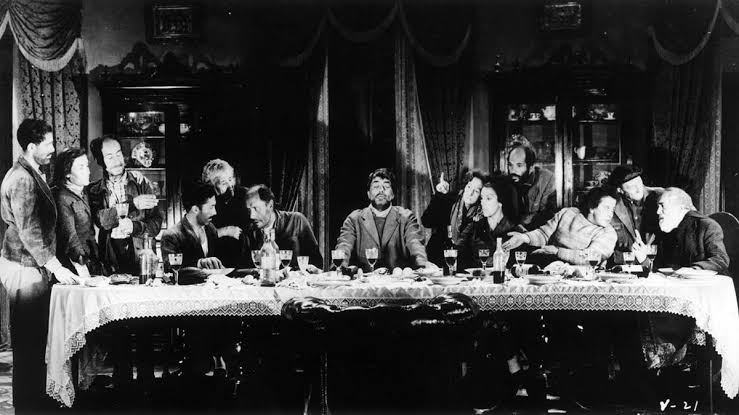
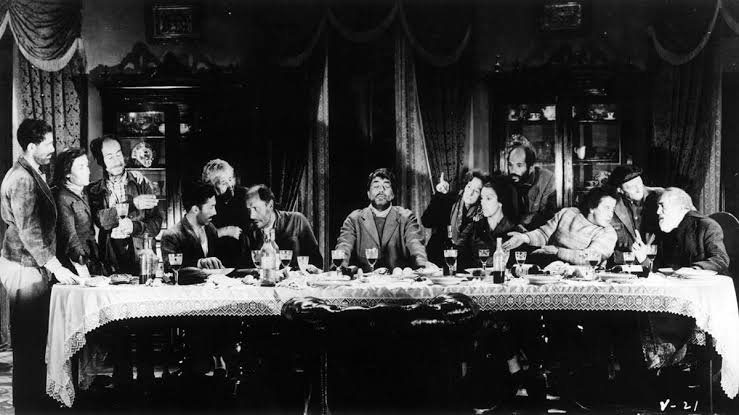
If there was a theme to this year’s festival, class warfare seemed to be it. None finer example than this film, Luis Buñuel’s typically funny and probing
Viridiana. Held up for release for 19 years in it’s native Spain, the film tells the story of the nun in the title (Silvia Pinal) as she comes to reckoning with the world outside her convent. The most famous sequence in the film, however doesn’t involve her. The beggars and lowlifes she has invited in her home(among them a leper, a blind man) wreck havoc in her affluent house. It’s a daring sequence and the aftermath makes you question what Buñuel’s intentions are. Are we resigned to be what our circumstances mold us to be? Can there be no reconciliation between the classes? Is the ending of Metropolis just blind idealism? The final shot of the film however, suggest something else. Aside from the obvious polygamic implication, the open-ended ending also implies that this trio will cause as much chaos as the lowlifes (maybe not in the same way). I have to say though that I vastly preferred the second half in comparison to the first half involving Viridiana’s uncle(Fernando Rey). I can understand the necessity of it, but it’s not up to par with the rest of the film.

Bacurau is described as a “weird western” and it certainly fits that label. There’s a lot of weird things going on here and the directors (Kleber Mendonça Filho, Juliano Dornelles) take their time revealing the many twists in the plot. Bacurau‘s plot can be boiled down to a town’s fight for survival, but there’s so much more going on here. It touches on election campaigns, indigenous people’s fight for their land, vigilantism and also, I suspect, mocks America’s gun culture. It’s a strong ensemble, but the two standouts are the two most well-known actors in the cast, Sônia Braga (who was also fantastic in Filho’s Aquarius) and Udo Kier. They have the two meatiest parts and they perform them with aplomb. The fights here are worth the price of admission alone, the directors making use of the scenery magnificently. As enjoyable as the shoot-em ups are though, you come out feeling there should be something more. Having watched the film, you know that the town was never really under threat. There’s mention of a water problem that is the result of their dissatisfaction with the mayor, but that’s only lip service. Instead, having set up the themes, it feels like the writer’s decided “that’s enough of that” and went to the juicy shooting parts. Still Bacurau is unlike most other films you’ll watch in recent times and that alone makes it worthwhile.

Design a site like this with WordPress.com
Get started